Q: Does it cost anything to implement Native STAND?
A: Yes. Use of the curriculum and manuals is free and you are welcome to download and use anything on this website at no charge. However, your program will incur some cost for printing the curricula and manuals, purchasing materials for activities, etc.
Q: Does Native STAND have to be implemented exactly as described in the curriculum and accompanying manuals?
A: No. The curriculum and manuals reflect what was implemented during the pilot phase of the curriculum’s development and the lessons learned from that experience. While we feel the curriculum will be most effective if implemented as designed, we understand that different sites will draw upon different aspects of the curriculum to best meet the needs of the youth they serve.
Q: Does Native STAND have to be implemented in a school setting?
A: No. Native STAND was developed to be flexible and can be implemented in any number of settings, including as part of a school health curriculum, as an after school activity, as a summer program, in Boys and Girls Clubs, etc.
Q: Was Native STAND created for youth from a specific tribe?
A: No. Native STAND is inter-tribal in its approach and draws on teachings and cultural aspects from across Indian Country.
Q: Who should facilitate Native STAND?
A: This will vary depending on where and how your program is implementing Native STAND. We recommend a minimum of two facilitators, preferably a male and a female. It is important that the facilitators have good rapport with the students, are comfortable discussing topics of a sensitive nature, and have the full support and commitment of their supervisors. We recommend a 1:1 ratio of preparation to face time with the youth, and probably more when first implementing the curriculum. The facilitators must have full support of their supervisors and the administration to do this.
Q: Does Native STAND work?
A: Yes. We are happy to report favorable results from the evaluation of the pilot projects, including an increase in STD, HIV, and reproductive health knowledge and an increase in conversations with peers about the topics covered in the curriculum. He hope to learn more about the effectiveness of the program in different settings as Native STAND is implemented across Indian Country.


| PSA Healthy relationships | ||||
|
|
|||
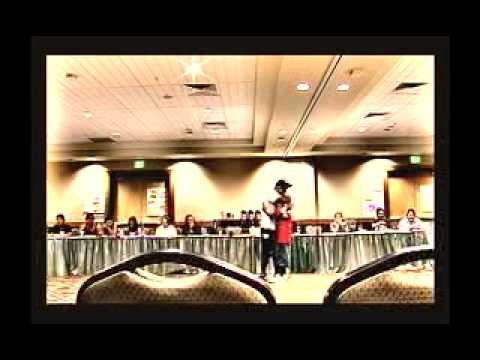
| HIV/AIDS - role play | ||||
|
|
|||
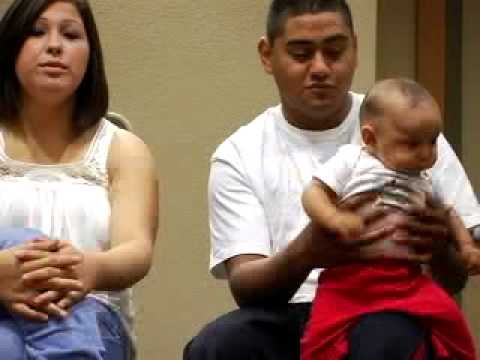
| Teen parents - panel | ||||
|
|
|||